“Green label” search results (200)

Introduction to the characteristics of flavor description of Ethiopian coffee manor with full alcohol thickness
In the fifties and sixties of this century, many African countries became independent one after another and adopted green, yellow and red as the colors of the national flag, so they were called pan-African colors. Ethiopia is one of the ancient countries in Africa, with a long history of more than 3000 years, giving green, yellow and red colors deeper roots in this land. Historically, they are closely related to the liturgy of the Coptic church.
2016-09-27 Thickness full Ethiopia coffee manor producing area flavor description characteristics
Ethiopia-Coffee Origin, producing areas, characteristics, introduction
Grade of Ethiopian coffee: Ethiopian washed coffee Yega Chuefei G1 G2 Sidamo (Yirgacheffe, Sidamo) has the highest grades 2 and 3 (G2, G3), while sun-processed coffee in eastern Ethiopia is mostly grade 4 or 5 (G4, G5). In many cases, level 4 coffee is marked as level 5 in order to reduce taxes. At present, the classification is not uniform and there are
2016-06-03 Ethiopia coffee place of origin producing area characteristics introduction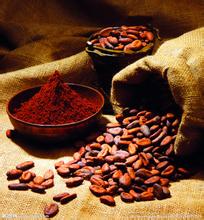
Ethiopian Coffee Culture the Development of Ethiopian Coffee
Ethiopian Coffee has a long History Ethiopian Coffee has a very important history and culture the highest grades of Ethiopian coffee Yega Xuefei G1 G2 Sidamo (Yirgacheffe, Sidamo) are grade 2 and 3 (G2, G3), while sun-processed coffee in eastern Ethiopia is mostly grade 4 or 5 (G4, G5). In many cases, level four coffee is marked as level five.
2016-05-27 Ethiopia coffee culture coffee development course
Introduction to the grade of coffee beans in Ethiopia
Grade of Ethiopian coffee: Ethiopian washed coffee Yega Chuefei G1 G2 Sidamo (Yirgacheffe, Sidamo) has the highest grades 2 and 3 (G2, G3), while sun-processed coffee in eastern Ethiopia is mostly grade 4 or 5 (G4, G5). In many cases, level 4 coffee is marked as level 5 in order to reduce taxes. At present, the classification is not uniform and there are
2016-06-04 Ethiopia coffee beans grades introduction
Coffee quality grading-coffee bean grading
There is no internationally accepted standard for coffee quality grading, and the grading method varies from country to country. Therefore, coffee classification is based on some of the characteristics applicable to each producing country. The sample of coffee beans taken from a bag is judged according to the standards of the producing country, the samples are rated, and most of the coffee is good or bad according to the evaluation.
2014-10-09 Coffee knowledge coffee quality grading coffee bean grading
Ethiopian coffee raw beans introduce cup size in coffee shop
The highest grades of Ethiopian washed coffee Yega Chuefei G1 G2 Sidamo (Yirgacheffe, Sidamo) are Grade 2 and Grade 3 (G2, G3), while most of the sun-processed coffee in eastern Ethiopia are Grade 4 or Grade 5 (G4, G5). In many cases, level 4 coffee is marked as level 5 in order to reduce taxes. At present, the grading is not uniform and messy, because there is also sun processing.
2016-06-07 Ethiopia coffee raw beans introduction coffee shop cup size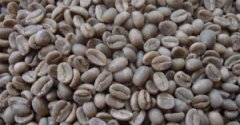
Ethiopian coffee beans, coffee beans
Ethiopia is home to Arabica coffee, and it is in the forests of the Kaffa region that you can see Arabica coffee growing wild. In Ethiopian, coffee is called Bun or Buna, and coffee beans may be translated from Kaffa Bun. Arabica coffee was discovered early in the Harar region, most likely from Karachi.
2014-12-26 boutique coffee beans common sense Ethiopia coffee profile rabbi
Introduction of Ted Manor in Sidamo Coffee Manor, Ethiopia
The taste of Sidama in the sun is close to the smell of flowers, but it is about a little earthy. Water washing has a nutty fruit aroma with a slight cocoa aroma, but what the two have in common is smooth taste and viscosity, comfortable and pleasant acidity and fragrance. Light or medium roasting is suitable for individual products, while medium or deep roasting is suitable for blending coffee and good Espresso base. The water-washed Sidamo is light green and the beans are small.
2016-07-04 Ethiopia Dharma Coffee Manor producing area introduction Ted Sun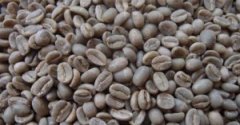
Brief introduction of Coffee from Ethiopia
Lim G2 Ethiopia is the hometown of Arabica coffee, and you can see wild Arabica coffee in the forests of the Kaffa region. In Ethiopian, coffee is called Bun or Buna, and coffee beans (coffee bean) may be translated from Kaffa Bun. Arabica coffee has long been found in the Harald area, which is very accessible.
2014-09-28 Coffee knowledge Ethiopia coffee producing area

Coffee beans in the highlands of southern and western Ethiopia
Growing in the western highlands of southern Ethiopia (the border of Shewa and Sidmo provinces), east of Jima, north of Sidamo, most Europeans and Americans prefer 3600-6200 feet above sea level, most of them are washed with water, their annual output is about 110000bags/60kg, most of the beans are round (15/16scr), the color is green and bluish, the export is mostly G2 grade, the taste is similar to Yegashev, but the viscosity is simple.
2016-06-14 Ethiopia Obi Anan West Highlands Coffee beans grow in Ethiopia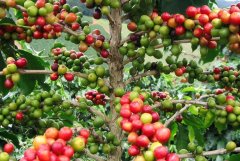
Coffee quality grading-- coffee bean grading high-grade coffee how to distinguish coffee bean quality
There is no internationally accepted standard for coffee quality grading, and the grading method varies from country to country. Therefore, coffee classification is based on some of the characteristics applicable to each producing country. The sample of coffee beans taken from a bag is judged according to the standards of the producing country, the samples are rated, and most of the coffee is good or bad according to the evaluation.
2016-05-06 Coffee quality grading coffee beans advanced how to distinguish
The grade flavor of Ethiopian coffee
Essel coffee is processed by two processing methods: sun and water washing. The flavor of coffee processed by different processing methods is very different. Generally speaking, the alcohol thickness and soil taste of washed Sidamo, Yirgacheffe and Limmu coffee are slightly lower, and the taste of sun-processed coffee is more wild. But Ethiopian coffee may taste different from batch to batch, which requires more cup tests before it can be found.
2016-06-01 Ethiopia coffee grade flavor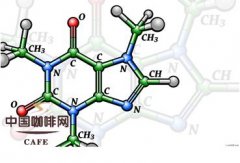
Fine coffee healthy caffeine content affects your health
Wang Hai, the first person in China to crack down on counterfeiting, took Coca-Cola to court because he did not specify the content of caffeine. Caffeine is not uncommon in our daily life. In addition to drugs, coffee, tea, many soft drinks and functional drinks contain caffeine. Experts point out that adults consuming 200 milligrams of caffeine a day can lead to caffeine dependence, especially in children who are physically developing.
2014-12-01 Boutique coffee health caffeine quantity influence yours labeling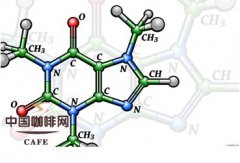
Coffee health knowledge caffeine content affects your health
Wang Hai, the first person in China to crack down on counterfeiting, took Coca-Cola to court because he did not specify the content of caffeine. Caffeine is not uncommon in our daily life. In addition to drugs, coffee, tea, many soft drinks and functional drinks contain caffeine. Experts point out that adults consuming 200 milligrams of caffeine a day can lead to caffeine dependence, especially in children who are physically developing.
2015-02-07 Coffee health knowledge caffeine quantity influence your health cause label
Introduction to the flavor and taste characteristics of Ethiopian coffee manor with rich alcohol thickness
The highest grades of Ethiopian washed coffee Yega Chuefei G1 G2 Sidamo (Yirgacheffe, Sidamo) are Grade 2 and Grade 3 (G2, G3), while most of the sun-processed coffee in eastern Ethiopia are Grade 4 or Grade 5 (G4, G5). In many cases, level 4 coffee is marked as level 5 in order to reduce taxes. At present, the grading is not uniform and messy, because there is also sun processing.
2016-08-29 Thickness richness Ethiopia coffee manor producing area flavor taste characteristics
Introduction to the flavor and taste characteristics of Ethiopian coffee manor with rich alcohol thickness
The highest grades of Ethiopian washed coffee Yega Chuefei G1 G2 Sidamo (Yirgacheffe, Sidamo) are Grade 2 and Grade 3 (G2, G3), while most of the sun-processed coffee in eastern Ethiopia are Grade 4 or Grade 5 (G4, G5). In many cases, level 4 coffee is marked as level 5 in order to reduce taxes. At present, the grading is not uniform and messy, because there is also sun processing.
2016-09-08 Thickness richness Ethiopia coffee manor producing area flavor taste characteristics
Characteristics of grinding degree of Ethiopian coffee with soft acidity introduction to flavor description of varieties
Grade of Ethiopian coffee: Ethiopian washed coffee Yega Chuefei G1 G2 Sidamo (Yirgacheffe, Sidamo) has the highest grades 2 and 3 (G2, G3), while sun-processed coffee in eastern Ethiopia is mostly grade 4 or 5 (G4, G5). In many cases, level 4 coffee is marked as level 5 in order to reduce taxes. At present, the classification is not uniform and there are
2016-10-11 Acidity softness Ethiopia coffee grinding characteristics taste variety producing area
Coffee common sense how much caffeine affects your health
Wang Hai, the first person in China to crack down on counterfeiting, took Coca-Cola to court because he did not specify the content of caffeine. Caffeine is not uncommon in our daily life. In addition to drugs, coffee, tea, many soft drinks and functional drinks contain caffeine. Experts point out that adults consuming 200 milligrams of caffeine a day can lead to caffeine dependence, especially in children who are physically developing.
2015-04-28 Coffee common sense caffeine quantity influence your health cause label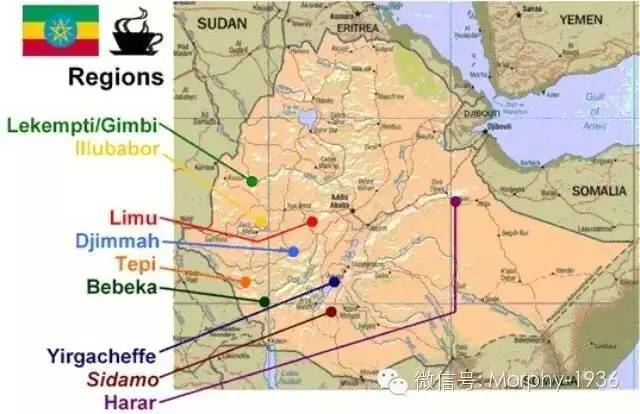
Introduction of boutique coffee beans Ethiopian coffee
Ethiopia is the hometown of Arabica coffee, and it is in the forests of Kaffa that you can see wild Arabica coffee. In Ethiopian, coffee is called Bun or Buna, and coffee beans (coffeebean) may be translated from Kaffa Bun. Arabica coffee was discovered early in the Harald area, probably from Kafa.
2015-07-09 Boutique coffee beans Ethiopia coffee introduction